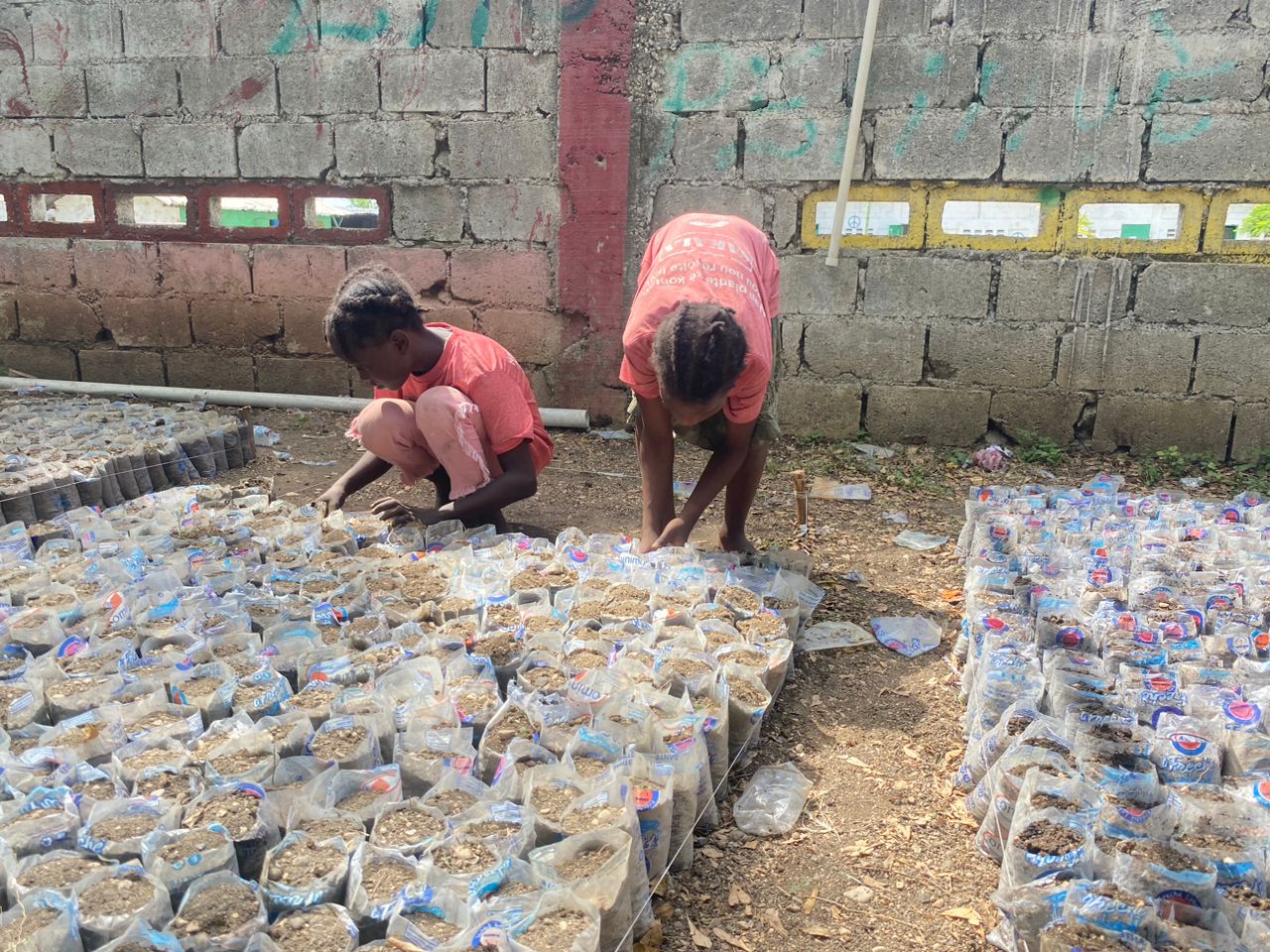
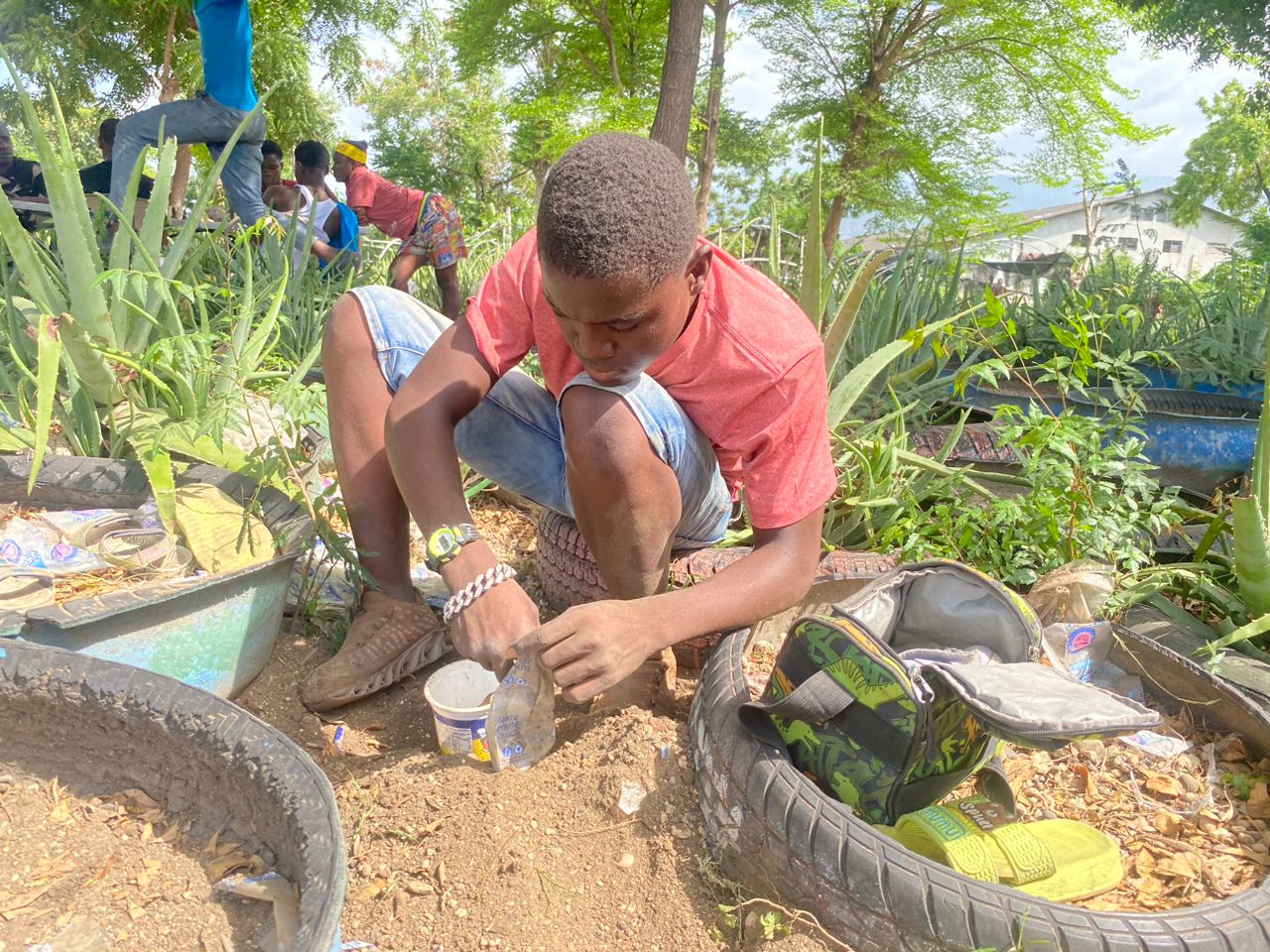
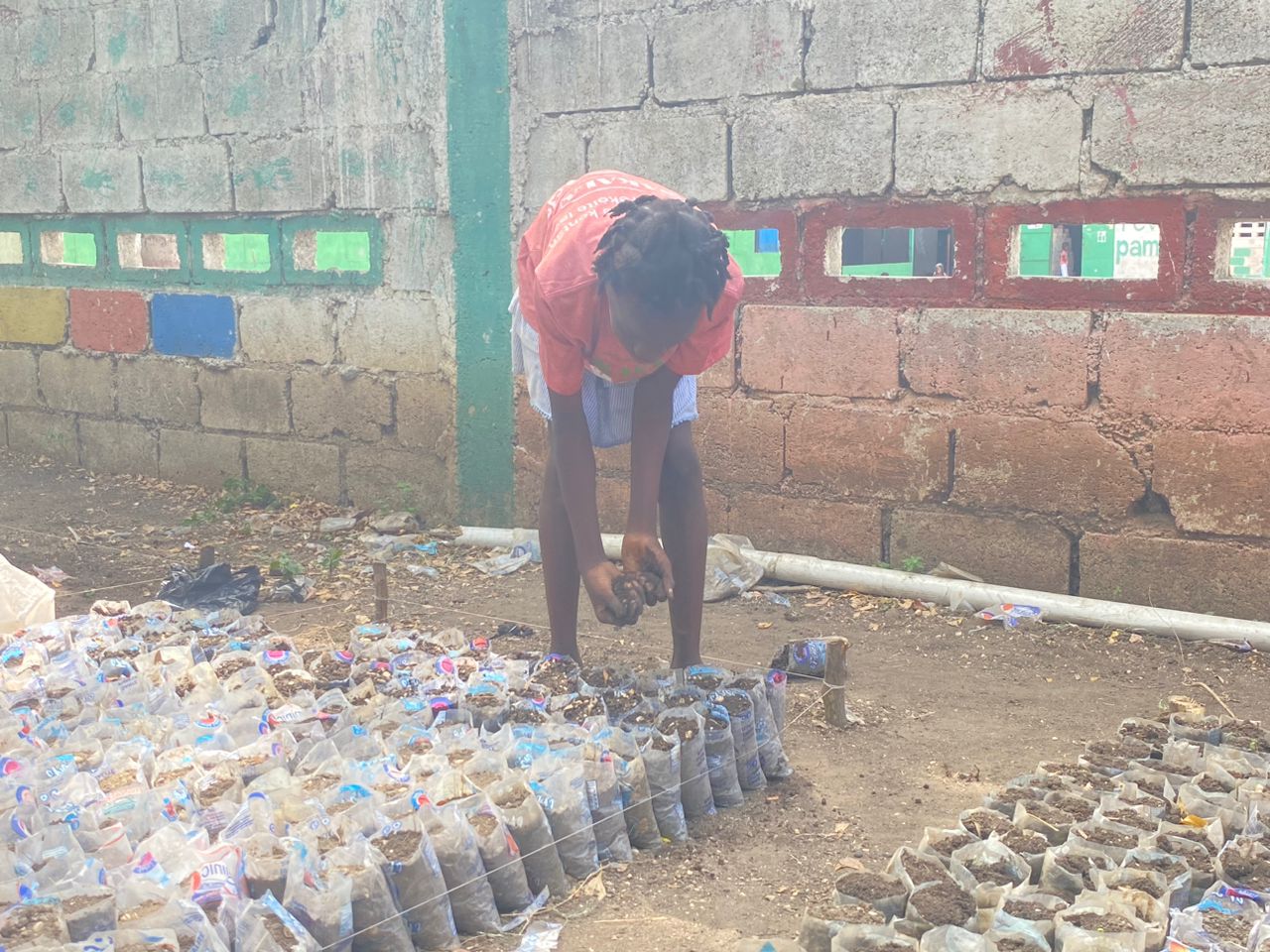
Works in a Tap Tap garden near her community. Contributing to food expenses at home while staying in school. Her stipend covers essentials her family could not previously afford.
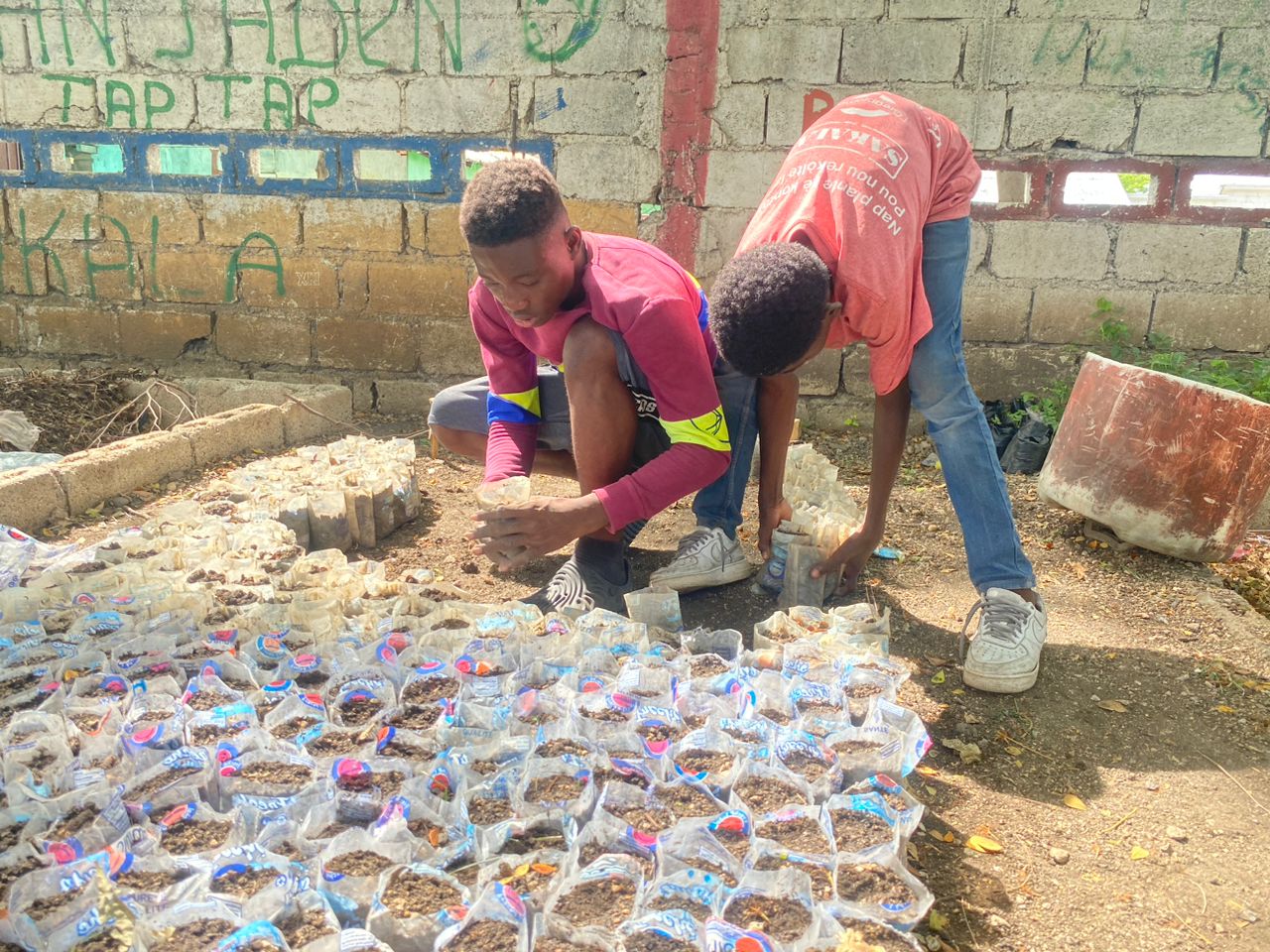
School ends in June. The moringa is ready to harvest. 15 youth are at the site. The window closes in August. One diaspora sponsor. One youth. One summer. $360.
Sponsor a Youth
The school calendar and the harvest calendar align once a year. That window is June through August. In northern Haiti, youth who would otherwise be idle -- or pulled into gang structures -- are available for structured cooperative work at exactly the moment the Grand Bassin site needs more hands.
This is not a new program. SAKALA has operated cooperative agricultural sites in Haiti for over 20 years. Through the Jaden Tap Tap network, the Job Power initiative, and a church-connected community management system built across Haiti's Nord Department, the infrastructure is real and proven. Summer 2026 is the first season where the Grand Bassin franchise upgrade and full enrollment capacity exist at the same time.
The moringa is in the ground. The castor plots are producing. The processing shed is built. What's missing is the stipend to bring 15 youth through the door.
One sponsor. One youth. One full summer at Grand Bassin. Every dollar is accounted for.
The Grand Bassin site projects $20,855 in Year 1 gross revenue from moringa powder, castor oil, hot peppers, cassava, peanuts, and Harvest Box subscriptions. The summer cohort pays for itself in produce value within the season. Your $360 enters a working cooperative, not a charity account.
SAKALA's track record: last year's Job Power program served 500 youth across the Nord Department. The program produced nurseries transplanted across the Tap Tap collective farm network, created stipend-earning employment at multiple sites, and built partnerships with Sonje Ayiti Foundation's network of 15 schools and church communities across several communes. The model is validated. Grand Bassin is where it scales.
Youth at Grand Bassin are cooperative members from day one -- not trainees, not beneficiaries. The work is real, supervised by experienced site leads, and builds skills that carry beyond the season. SAKALA acquired and adapted appropriate tools specifically to reduce the physical strain that discourages youth from agricultural work. Members also received specialized training to reinforce fieldwork quality.
Harvesting leaves and pods, operating drying racks, packaging moringa powder for Hopital Sacre-Coeur and Harvest Box distribution. June-August, 5 acres. First harvest revenue within the summer window.
Tending pepper plots. First harvest at 90-120 days -- youth earn direct income from the cash crop before summer ends. 2 acres, July-August peak window.
Operating the manual castor press, decanting and storing oil, preparing product for local and export markets. 3 acres, processing ongoing through the summer.
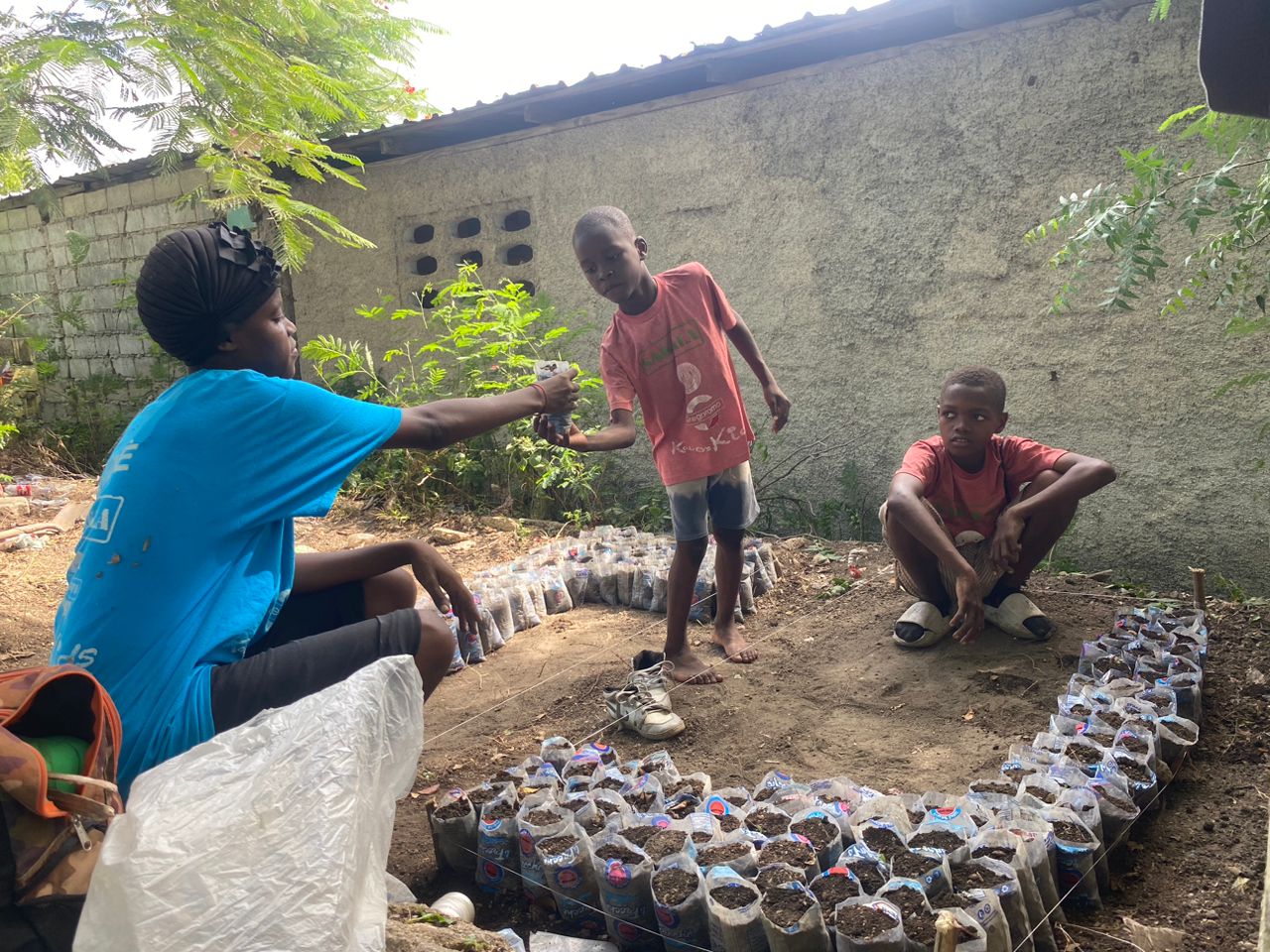
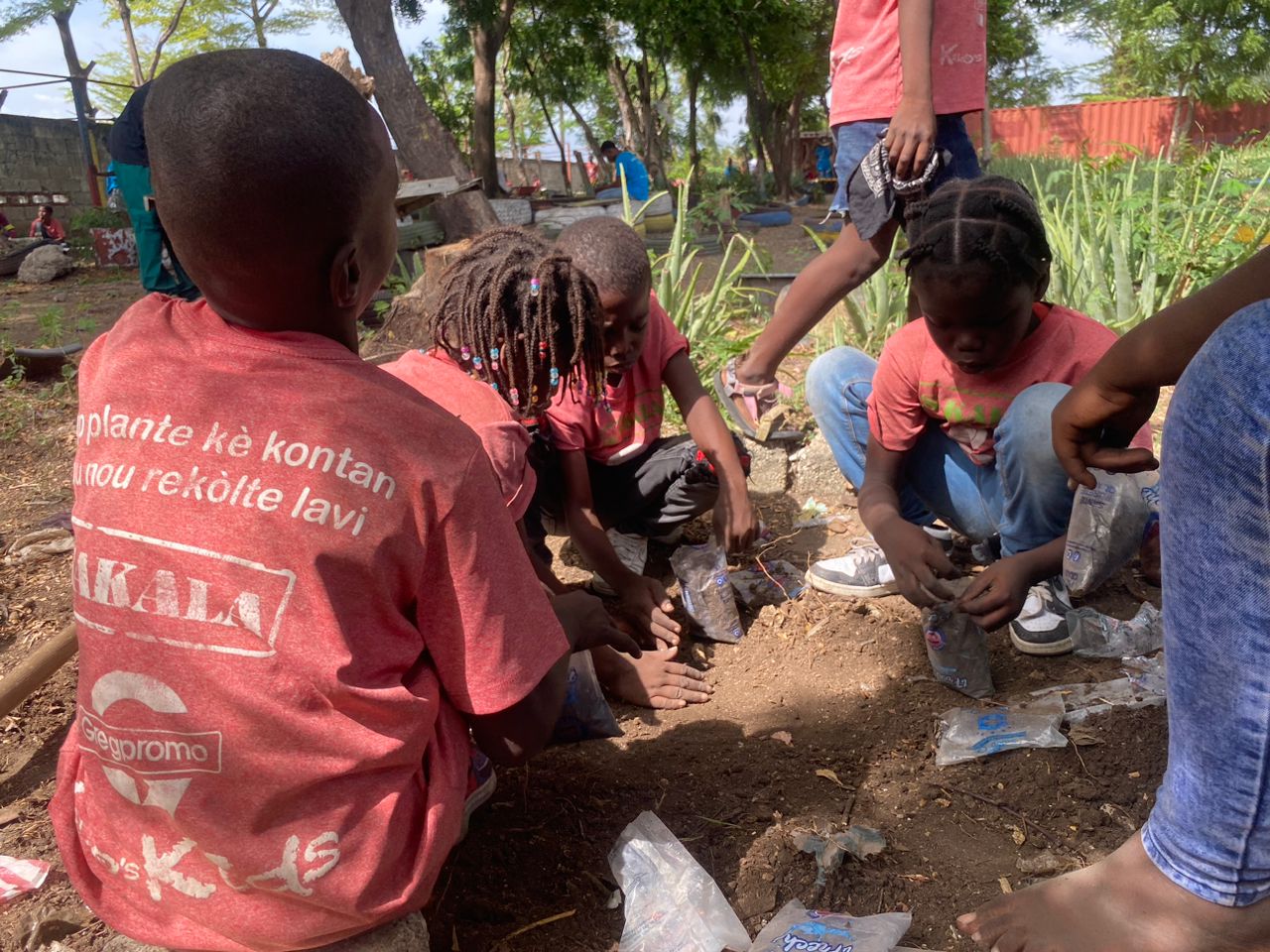
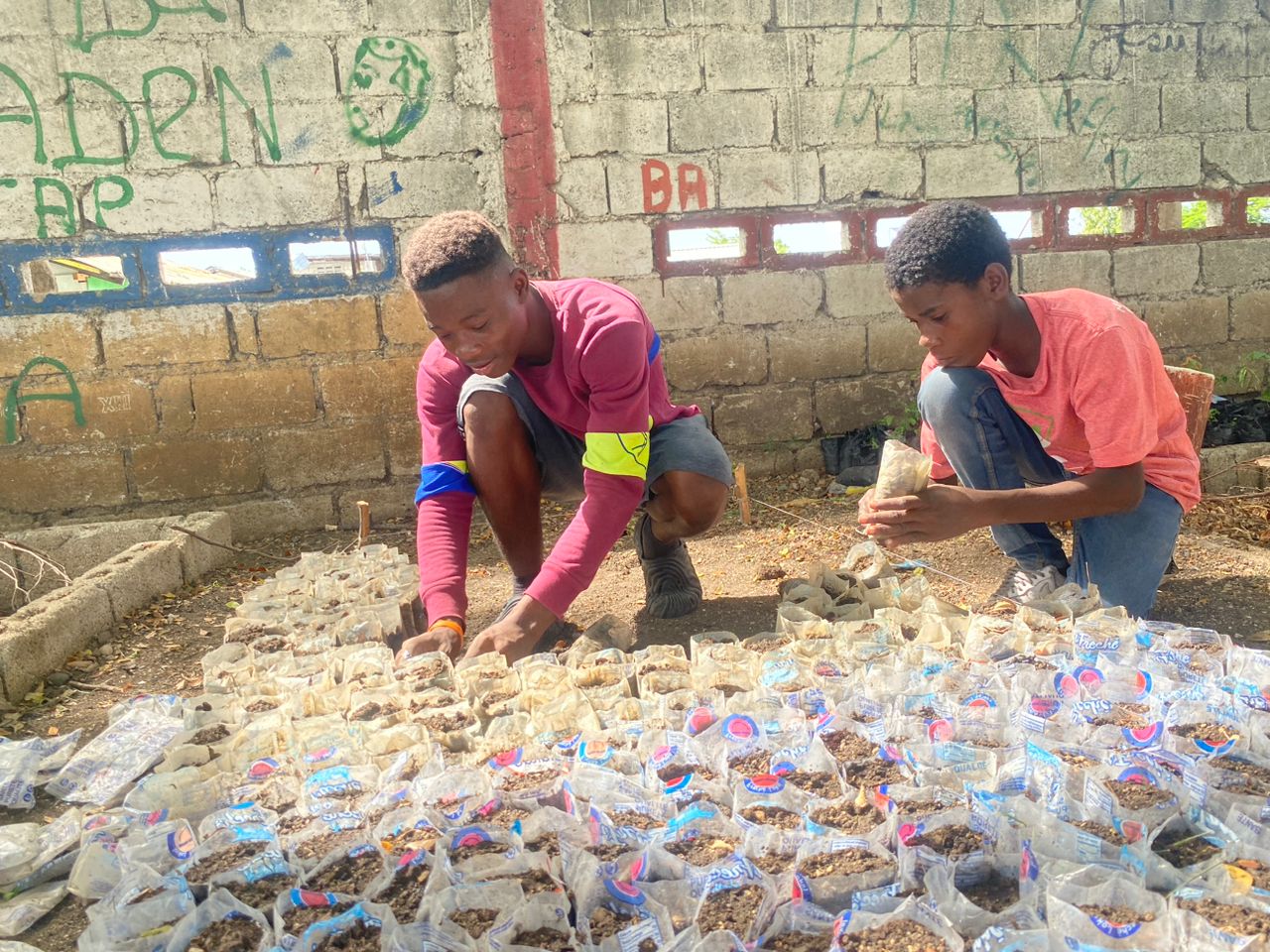
Propagating seedlings in the site nursery -- the same operation SAKALA has run across the Tap Tap network. Seed bags prepared and transplanted to expand the cooperative's growing capacity.
Building and maintaining the processing shed, irrigation lines, and nursery beds. Cooperative sweat equity that reduces capital cost while building direct ownership of the site.
Rabbit and chicken production units using recycled materials for cage and feed systems. Directly contributes to environmental protection while generating income for participating youth.
Month 5 and beyond: profit-share kicks in. Year 2: cinnamon harvest begins, cooperative revenue grows. The youth who spends a summer at Grand Bassin is a cooperative member for as long as they choose to be.
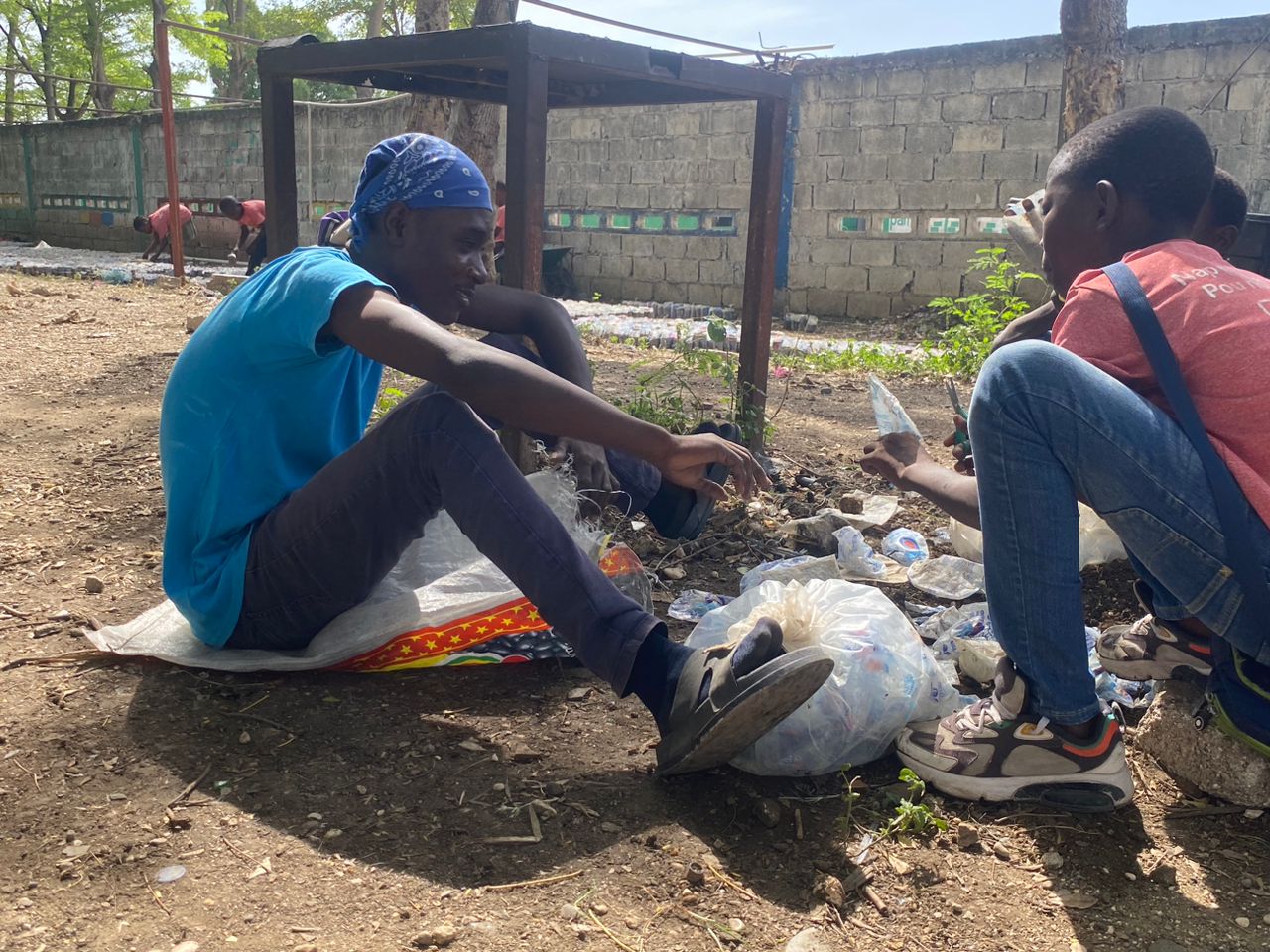
These are SAKALA participants from the Job Power program -- the same program now expanding to Grand Bassin. Their words are from SAKALA's own program documentation, submitted to the Congregation of the Sisters of St. Joseph of Peace in the Winter 2026 grant cycle.
Works in a Tap Tap garden near her community. Contributing to food expenses at home while staying in school. Her stipend covers essentials her family could not previously afford.
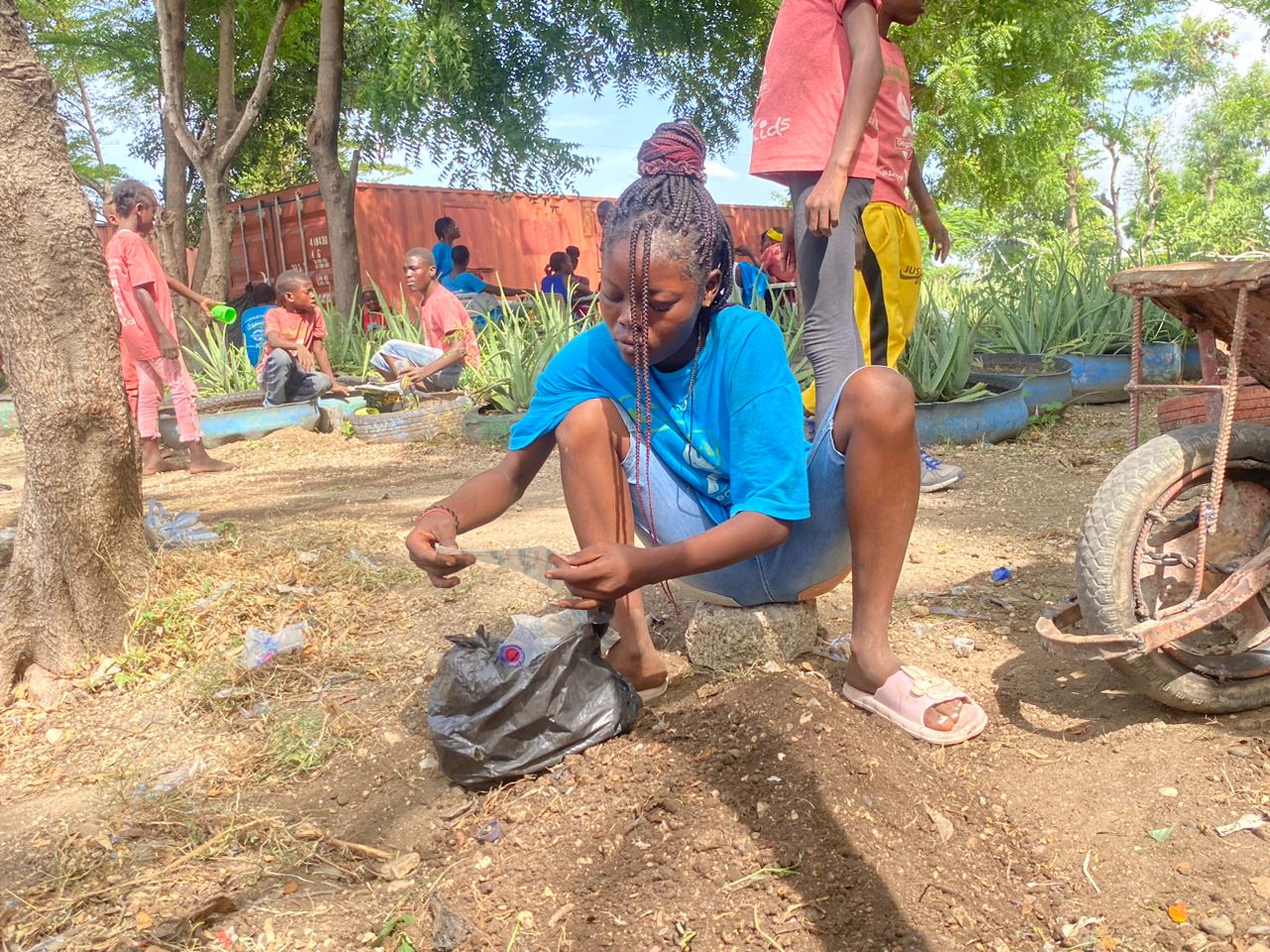
Signed his first work contract in tree nursery production through a church partner. Became one of the most active youth in his group within a few months.
Joined Job Power to "try something new." Now helps supervise younger participants in her garden group. Studying composting, seed selection, and crop management.
Was preparing to emigrate. Now supports youth employment development in the Nord Department and helps build agricultural capacity in his own community.
This campaign has two names on it for a reason. SAKALA brings 20 years of community trust, a proven cooperative model, and a network of youth that no funder can replicate from the outside. BARSS brings the economic architecture, cost-per-job validation, and accountability layer that institutional funders require and that field teams cannot slow down operations to produce. Neither organization can run this campaign alone. Together, they represent the only Haiti youth cooperative with forensic economic validation and external program M&E.
Institutional funders and partners:
Submit your application below. BARSS and SAKALA review every application within 48 hours. Once accepted, you receive a secure sign-in link -- your account is created automatically and you're taken straight to your sponsor dashboard.